


Emil Barr is a grinder. A hustler. And he really wants you to know about it.
At the same time, he has a point. And sometimes you need to take a moment to listen, even if your first reaction is to throw your hands in the air in dismay.
Emil Barr's viral op-ed offered a stark prescription: sacrifice sleep, health, and relationships in your twenties, or accept irrelevance. But read closely and you'll notice something telling about his specificity. Not four hours of sleep, but precisely 3½. Not just energy drinks, but Red Bull specifically. A carefully curated catalogue of suffering metrics designed for maximum impact.
When a 22-year-old writes in the Wall Street Journal that "work-life balance will keep you mediocre," it’s almost inevitable that people will get riled. That’s the idea, right?
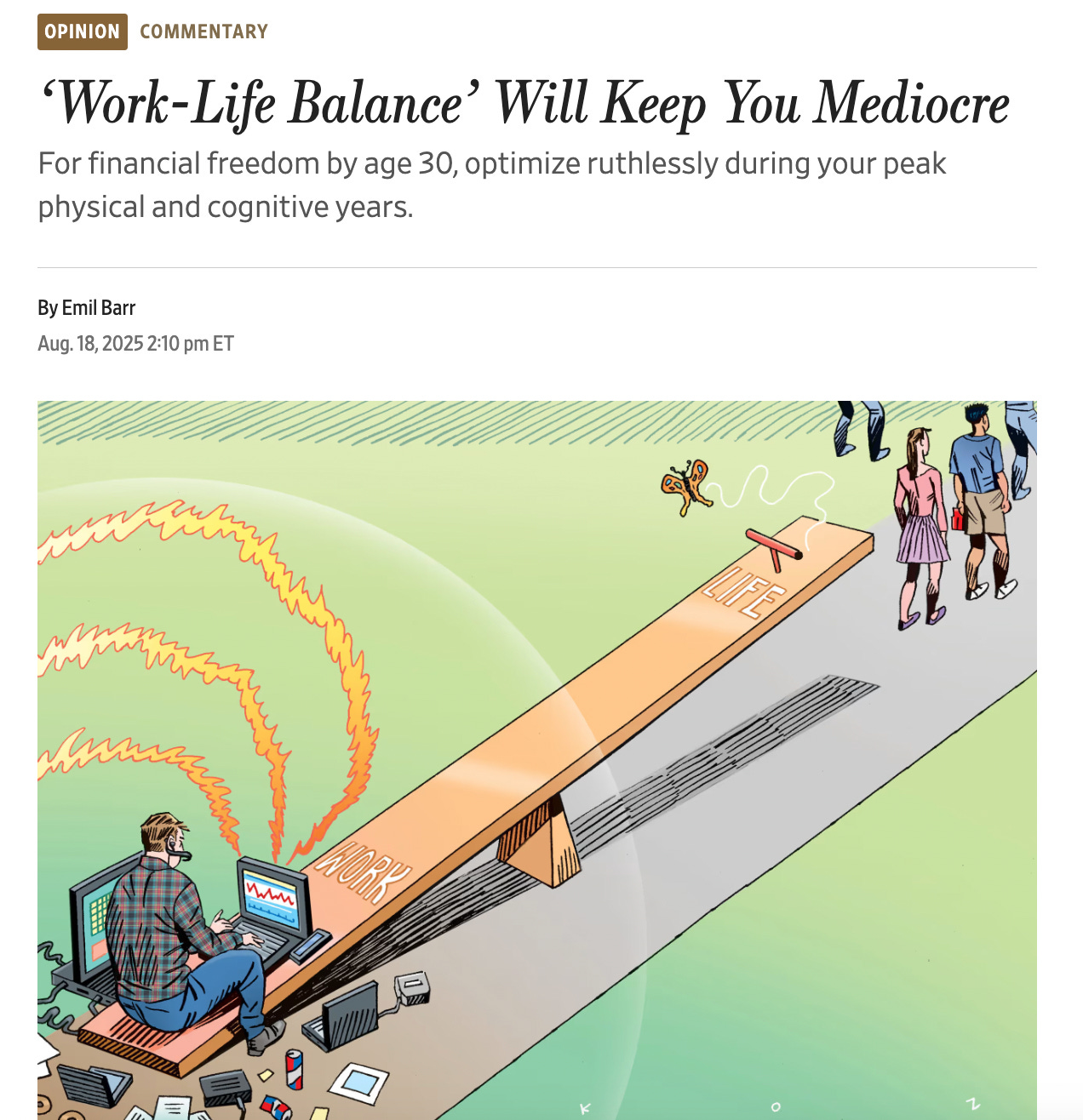
The reaction was immediate and polarised.
“SURVIVOR BIAS: how many young people has chosen the hustle route and have FAILED?”
“I can't help but suspect Andrew Tate peer-reviewed this op-ed.”
“Money is not success. Not spending time with your family is a failure to many of us."
But the reason he’s wrong isn’t really about work habits. It's mistaking sacrifice for strategy.
Right problem, wrong solution
Barr gets something important right
The traditional concept of work-life balance is deeply problematic. Not because balance itself is wrong, but because the metaphor creates an impossible standard - perfect equilibrium between competing demands that constantly shift.
He's also right that passive career strategies are dangerous.
Earning a steady paycheque while letting someone else design your future is increasingly risky when entire industries can reshape within months.
But Barr's solution - extreme sacrifice as proof of seriousness - represents a different trap entirely.
Optimising for the wrong variable.
Barr exemplifies something I often see: smart people fixating on sacrifice as a proxy for commitment without recognising what actually drives success in their field.
His approach borrows the aesthetic symbols of successful entrepreneurs - sleep deprivation stories, Elon Musk comparisons, founder mythology. But he's applying these borrowed tactics to fundamentally different circumstances.
The performance becomes the point, divorced from clear purpose. That's the trap - mistaking optics for outcomes.
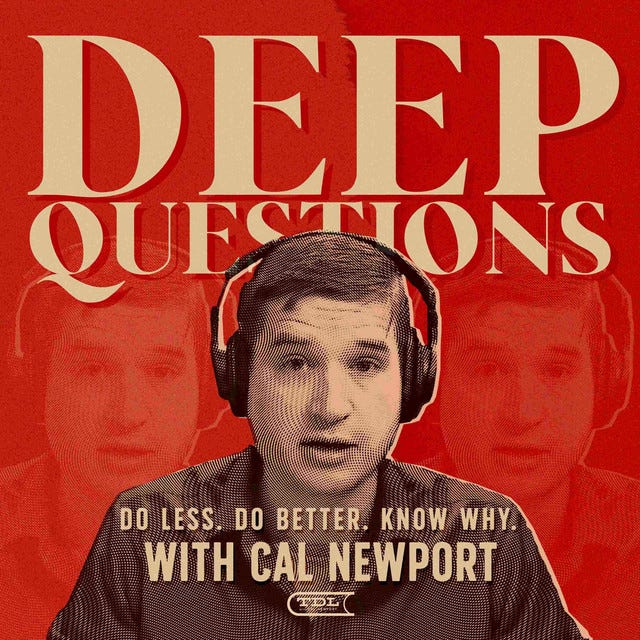
And Barr assumes all definitions of professional success require the same extreme approach. But as Cal Newport discussed in his excellent podcast Deep Questions this week, success models vary dramatically in their requirements
If your goal is a venture-backed startup exit or elite wage labour (investment banking, top-tier consulting, big law), then yes - grinding is often expected. These industries explicitly trade extreme hours for high compensation. But this applies to a very narrow band of economic activity, open only to a small group with access to elite education and networks.
Most other success models work differently.
If you want impact and respect in your field, what matters isn't total hours but relentless depth - returning to the activities that make you better at your craft, day after day. If you want a remarkable life with unusual autonomy, it's about career capital and courage. If you just want financial security with strong relationships and meaningful work, it's about capability - being reliable and managing your workload intelligently.
None of these require destroying your health or relationships.
They require sustained focus on what actually matters, not performative sacrifice.
Momentum beats theatre
Real sustainable success isn't built on single-variable optimisation. It's built on interconnected systems where multiple components reinforce each other over time.
After studying thousands of successful careers, I've found that lasting achievement comes from elements working together - like a flywheel where each component feeds the next until momentum builds naturally. Small, consistent actions compound into something greater than dramatic gestures ever could.
Consider what elite athletes do.
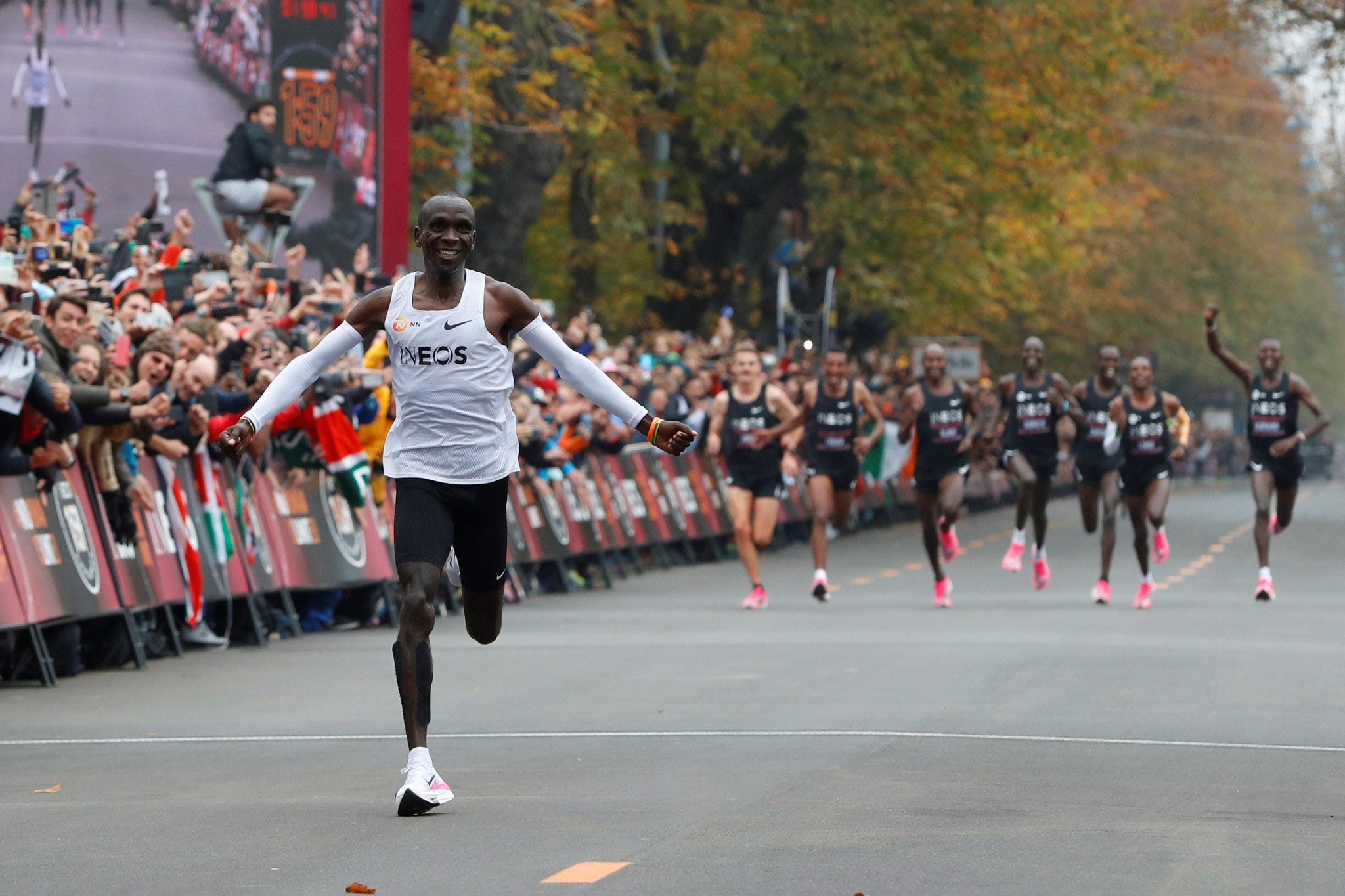
Eliud Kipchoge didn't break the two-hour marathon barrier by training 20 hours daily. He achieved it through meticulous pacing, strategic recovery, and understanding that peak performance requires managing energy over time.
Entrepreneurs haven't realised this too. Look at Jeff Bezos and Mark Zuckerberg - they're both extremely fit today. Money helps, but they understand that building lasting companies requires sustained high performance over decades, not just intense sprints.
I’ve learned this during my own career - burning out repeatedly until I realised recovery isn’t weakness, it’s a strategy.
The science backs it up too.
Flow state research reveals four phases: struggle, release, flow, recovery. Skip recovery and you get injuries and burnout. Respect it and you build foundations for consistent breakthroughs.
Barr's 3½-hour sleep schedule might generate short-term productivity, but it systematically degrades capabilities needed for long-term success: clear judgement, creative problem-solving, emotional regulation, physical resilience.
As one commenter bluntly put it:
“I hate unrealistic conversations like this. This is why so many kids feel depressed by 25 if they're not millionaires.”
And anyway, as a hospice worker with 15 years of experience watching people die put it:
“No one takes their last breath wishing they worked more.”
What this really reveals
Barr's essay isn't about work-life balance.
It's about confusing the appearance of commitment with strategies that actually work.
The most ambitious response isn't copying his performance or rejecting it entirely. It's understanding what your chosen definition of success actually requires, then building the capabilities and systems to achieve it sustainably.
Because optimising for the wrong variables, no matter how intensely, rarely leads where you want to go.
Have a great weekend. And take some time to recover.
Ollie
I wrote a book about this stuff - ‘Work/Life Flywheel’ was shortlisted for the 2024 Business Book Awards. Here’s what Daniel Pink said about it:
“Creating new opportunities requires fresh thinking. With the Work/Life Flywheel model, Ollie Henderson gives you the system you need to make bold changes in your career and the motivation to share your ideas with the world.”